
How Hard Is The Camelback Mountain Hike In Scottsdale, Arizona?

Looking For Info On How Hard The Camelback Mountain Hike Really Is In Scottsdale, Arizona?
As a former Scottsdale, Arizona resident (I lived here for 12+ years), I’ve hiked Camelback Mountain and I’ve also gone with a friend who is a Camelback expert (she hikes it regularly) and has hiked with beginner to advanced hikers here.
The official trail rating for the Echo Canyon Camelback Mountain hike is “Extremely Difficult”, but if you’ve got a good fitness level, you come prepared, and you take into consideration some safety precautions (which I’ve outlined down below), it won’t be too hard of a hike.
⚠️ Why Is The Camelback Mountain Hike So Hard?
There are two main reasons why the Camelback Mountain hike can be so hard: the steep, rocky, and uneven terrain as well as the intense, sometimes dangerous, and deadly heat of the summer months.
The Scottsdale and Phoenix areas get more than 200 rescues per year, many of those taking place on Camelback Mountain, so lots of people aren’t ever even able to finish the steep hike up to the top of this mountain.
Steep & Rocky Terrain
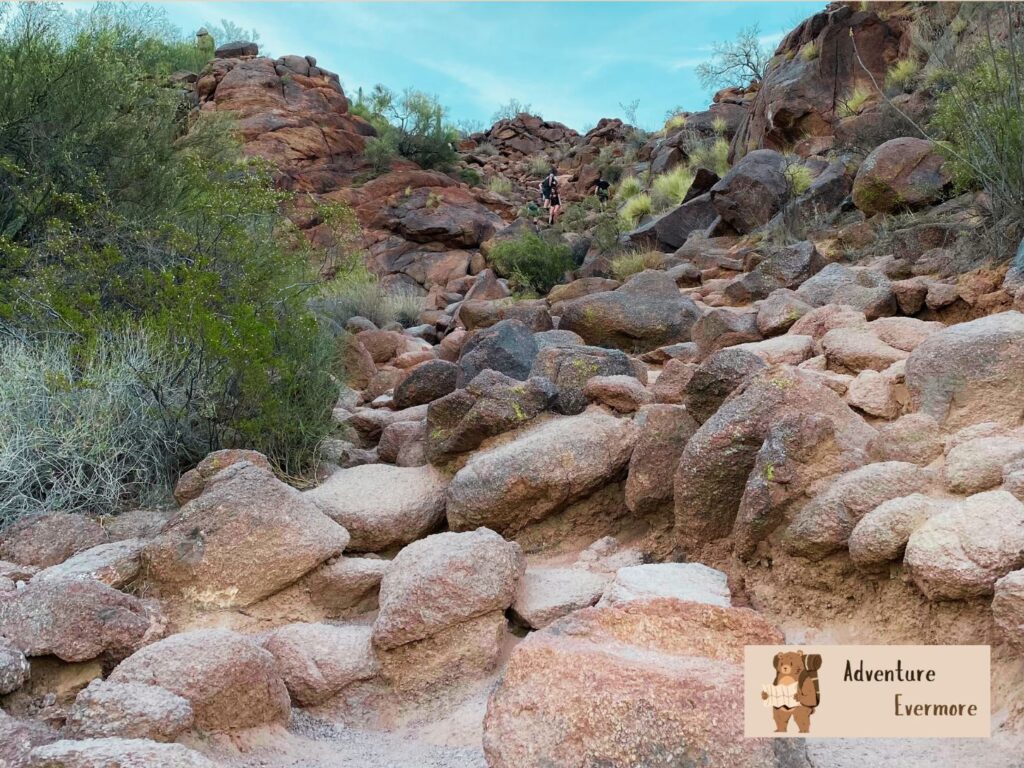
The Camelback Mountain hike isn’t that long in distance (it’s only 2.6 miles on Echo Canyon and 3.0 miles on the Cholla trail), but it is extremely steep and reaches an elevation of 2,704 feet, with an overall elevation gain of 1,264 feet.
On top of the steep incline, the trail on Camelback Mountain is often very rocky and uneven, like the bouldering section pictured above towards the top of the mountain (this is my favorite section, but be careful putting your hands near/under rocks where certain dangerous reptiles and insects live).
Arizona is also full of small rocky gravel that can be very slippery, especially on rocks and hiking trails (I still have gravel in my knee from when I fell as a kid 😬), which is one reason why good traction shoes are so important.
Scorching Arizona Temperatures
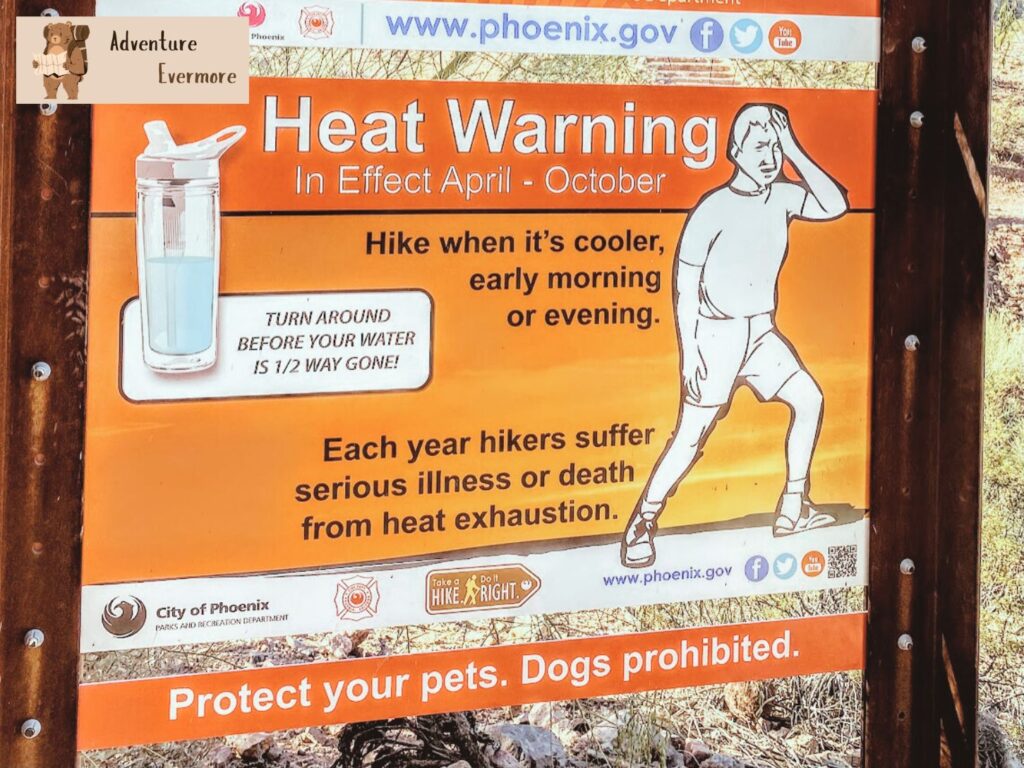
One of the top reasons the Camelback Mountain hike can be so dangerous and hard is because of the scorching Arizona temperatures during the “summer” months (anywhere from April to October).
Temperatures can reach the 120s and people really do die from heat related issues, so hiking during this season must be done at specific times of day and with other particular precautions (explained more in detail a little bit further down).
➡️ How To Make The Camelback Mountain Hike Less Hard
None of the difficulties or dangers of Camelback Mountain are meant to persuade you away from this hike (I love this trail), it’s just important to take these issues seriously so you stay safe and have a good experience hiking here.
You can also find guided Camelback Mountain hiking experiences or meetup hiking groups if you don’t feel comfortable hiking on your own here.
Prepare Before The Hike
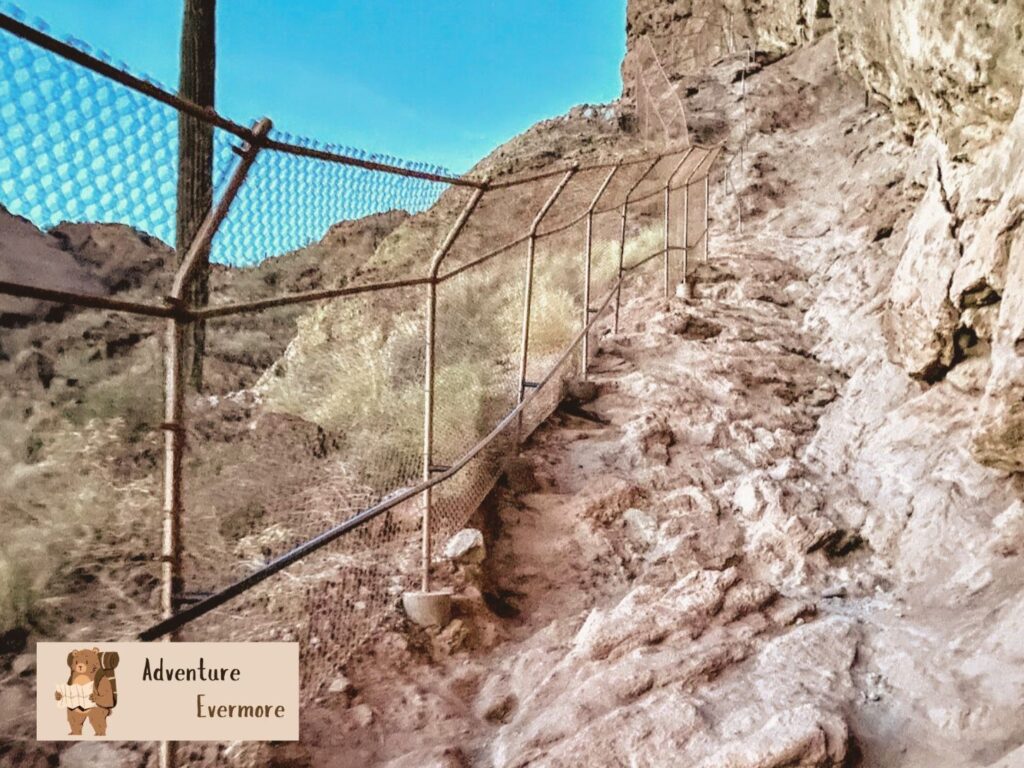
Since the Camelback Mountain hike has some hard and steep inclines, it’s a great idea to prepare yourself ahead of time by working on some leg and incline exercises.
I exercise regularly, but the Camelback Mountain hike still had my legs feeling a little like jello by the end of the hike.
If you don’t exercise regularly, I strongly recommend building up your endurance and working on leg and incline exercises before going on this hike. The average time to hike Camelback is around 1.5 to 2 hours, but there’s no need to rush, go as slow as you need to avoid becoming too fatigued.
Start Hiking Early
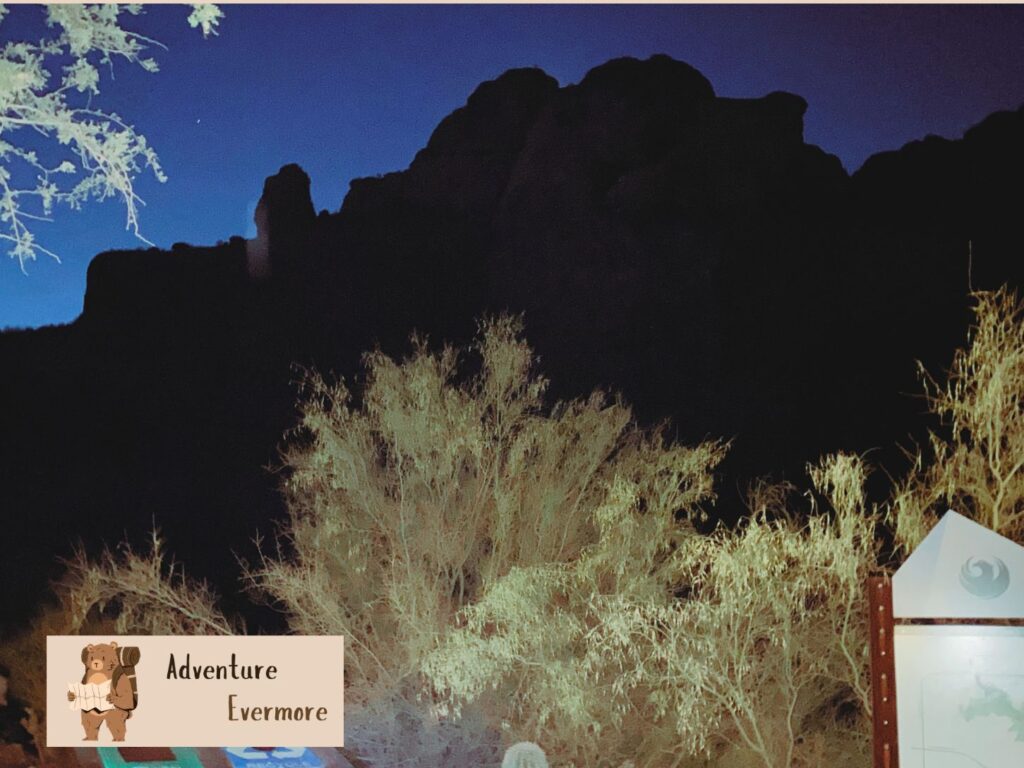
Even during the winter months, but especially during the summer months, you should start the Camelback Mountain hike early, which will help with how hard it is (because of temperatures) and with the amount of crowds (which is also important for parking here).
When I last visited during the month of May, I arrived at the Echo Canyon trailhead by 4:45 am, just in time to have a beautiful view of the sun rising while at the top of the mountain, and I began my descent around 6:00 am, which already had lines of people slowly waiting to hike up the mountain.
Come Prepared (dress + supplies)
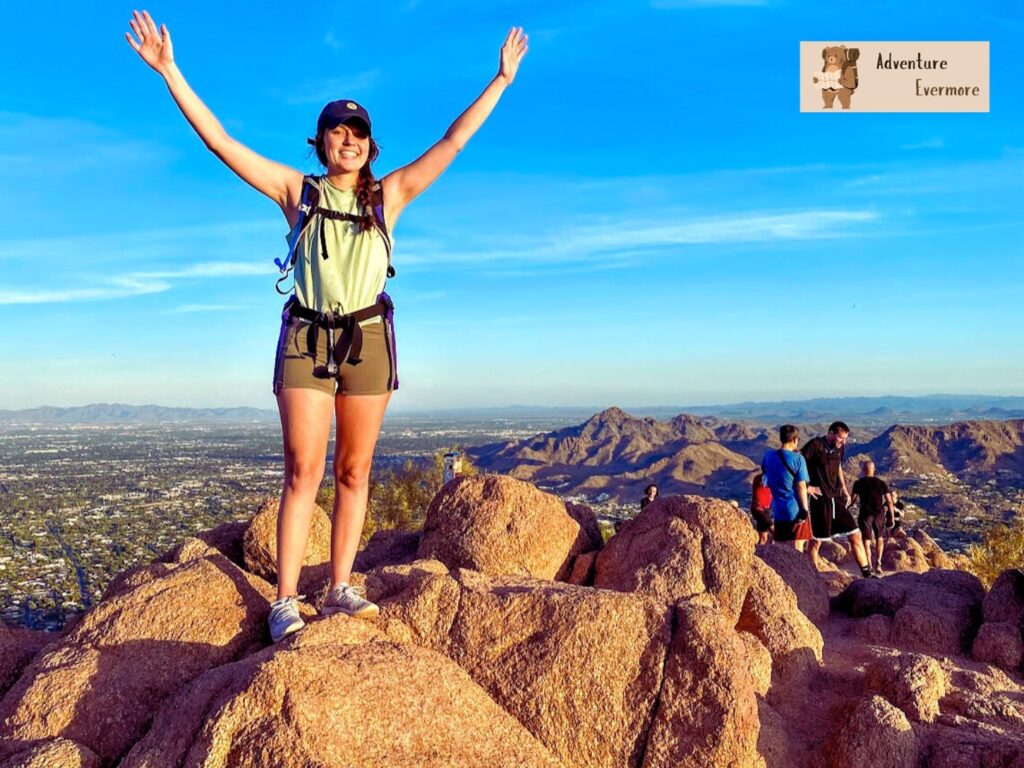
My friend that regularly hikes Camelback Mountain told me that she often sees tour busses pulling up and dropping off loads of tourists who are completely unprepared for this strenuous hike (wearing flip flops and carrying little to no water).
Closed toed shoes with good traction are not only important for the slippery gravel and rocky terrain, but also for the Arizona wildlife that call this mountain their home (they’re more active during summer months but always be prepared to find them anywhere in the desert at anytime).
Lightly colored clothes and a hat are super helpful during the summer months, and a large supply of water (more than you think you need) is essential to keep you from getting dehydrated or suffering from heat exhaustion.
ℹ️ My Scottsdale Camelback Mountain Hiking Itinerary
To help you prepare and know what to expect for this somewhat difficult hike up Camelback, here is a sample “summer” itinerary that I used on my last visit to Scottsdale:
- Arrive early before sunrise (4:45 am -ish) and get a good parking spot in the lot
- If it’s still very dark, use a headlamp for the first 15-20 minutes of the hike
- Start the first rocky incline along the gate without many hikers around
- Take breaks along the way, don’t rush, and consistently drink lots of water
- Always watch where you put your feet and hands (lots of wildlife like to hide under rocks)
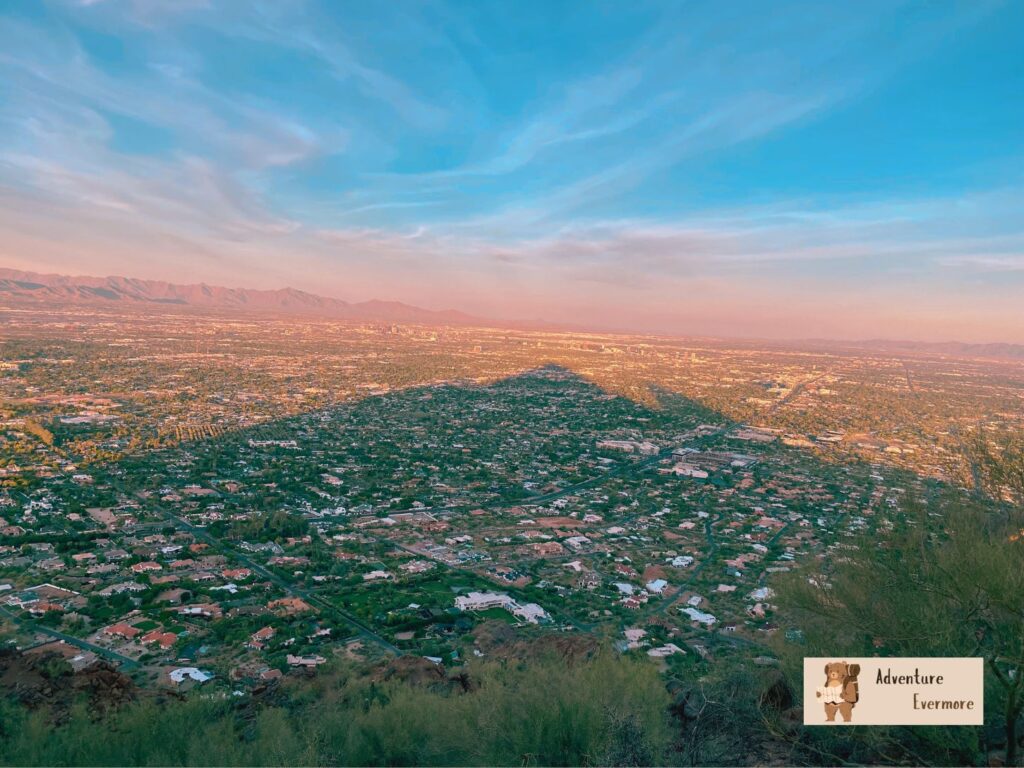
- As the sun continues to rise while you make your way up the mountain, look to the west to see the shadow of the camel (pictured above)
- Take a break to eat a snack if you start feeling weak (I needed one at this point since I didn’t eat too much before hiking)
- Get ready for some hands on rock climbing (bouldering) towards the top (have a backpack for water bottles so hands can be free)
- Go at your own pace, but expect to reach the top sometime in the average length of 45 minutes to 1 hour
- Enjoy the accomplishment of hiking to the top of Camelback Mountain just as the sun fully rises over the valley
- Start your descent once you’ve rested for a minute (the later it gets, the more crowded it will get)
- Remember hiking etiquette because it’ll be needed on the way down the mountain (uphill hikers have the right of way)
- For those hiking later in the day, know Camelback Mountain strictly enforces its sunset closure
- Check this video I made to have a visual of some of this info
🔁 Sum Up: How Hard Is The Camelback Mountain Hike?
The Camelback Mountain hike has an extremely difficult trail rating, and it can get extra hard because of the harsh Arizona weather conditions, but with the right information and the correct preparation, this is a fantastic and rewarding hike with great 360° views of the Scottsdale/Phoenix valley.
